surgeonring

12 studies

The whole body, one organ at a time.

Every Surgeonring organ guide in one place — anatomy, physiology, biology, and histology for the heart, lungs, brain, liver, kidneys, and every other major organ.

Cardiovascular systemRespiratory systemNervous systemDigestive systemUrinary systemIntegumentary systemDigestive and endocrine systemsLymphatic and immune systemsEndocrine systemSkeletal system
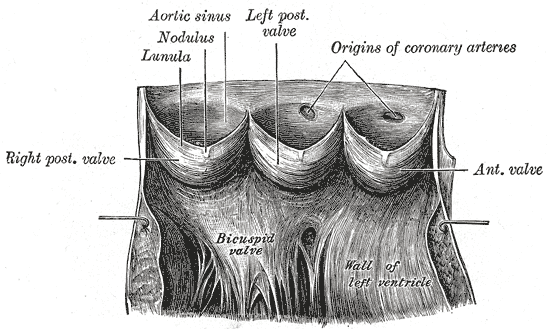
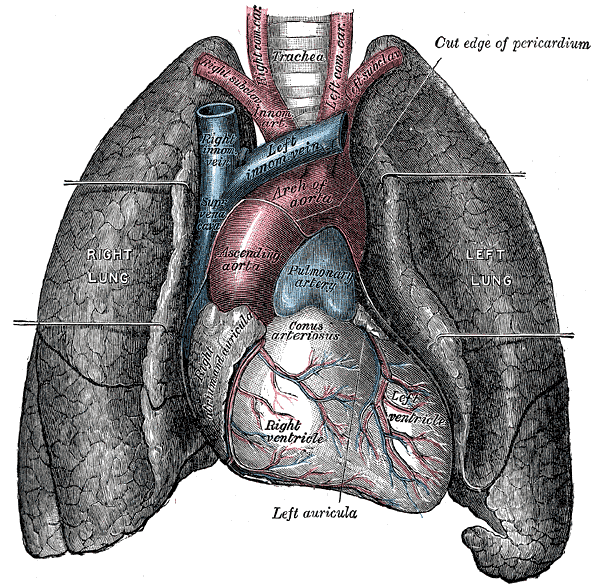
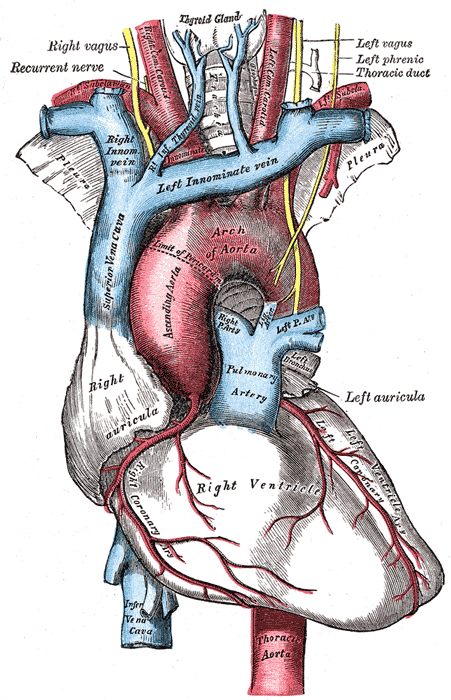
  1. The heart and great vessels in situ, seen from the front with the lungs retracted.

    Cardiovascular system7 min read

    The Human Heart: Anatomy, Physiology, Biology, and Histology

    A complete guide to the human heart: chambers, valves and coronary vessels, the cardiac cycle, excitation-contraction coupling, cardiomyocyte biology, and the histology of all three cardiac layers.

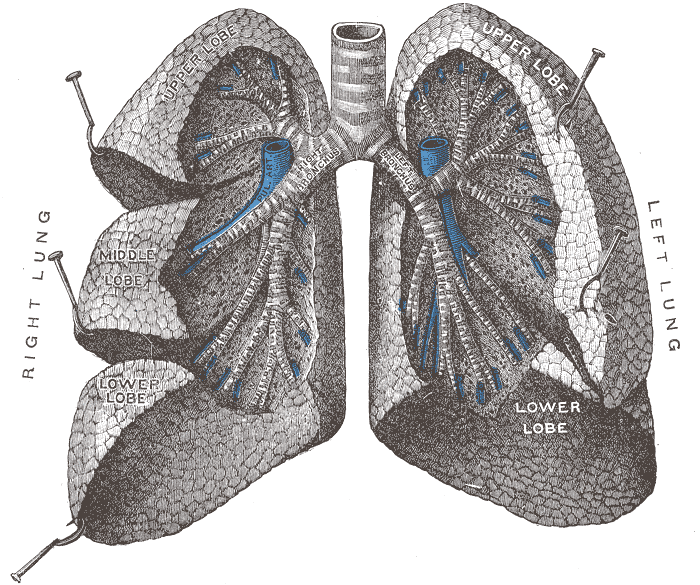
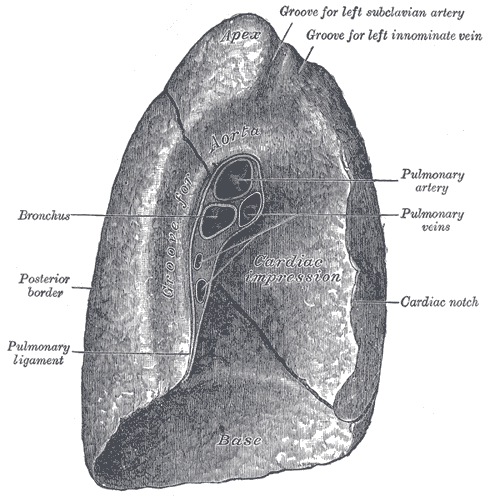
  2. Mediastinal surface of the left lung, showing the hilum and cardiac impression.

    Respiratory system6 min read

    The Lungs: Anatomy, Physiology, Biology, and Histology

    How the lungs are built and how they work: the bronchial tree, pleura and respiratory mechanics, gas exchange and oxygen transport, alveolar cell biology, and the histology of the respiratory membrane.

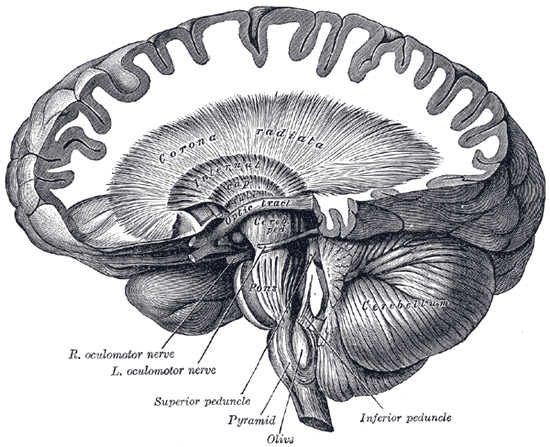
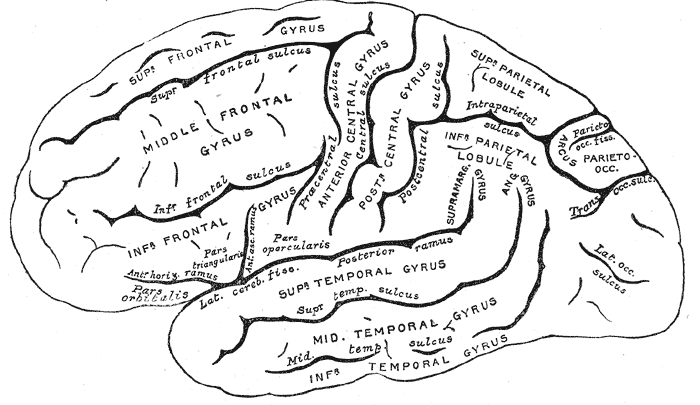
  3. Lateral surface of the cerebral hemisphere, with the principal gyri and sulci named.

    Nervous system6 min read

    The Human Brain: Anatomy, Physiology, Biology, and Histology

    A structured guide to the human brain: lobes and deep structures, the meninges and cerebrospinal fluid, synaptic transmission, neuronal and glial biology, and the histology of grey and white matter.

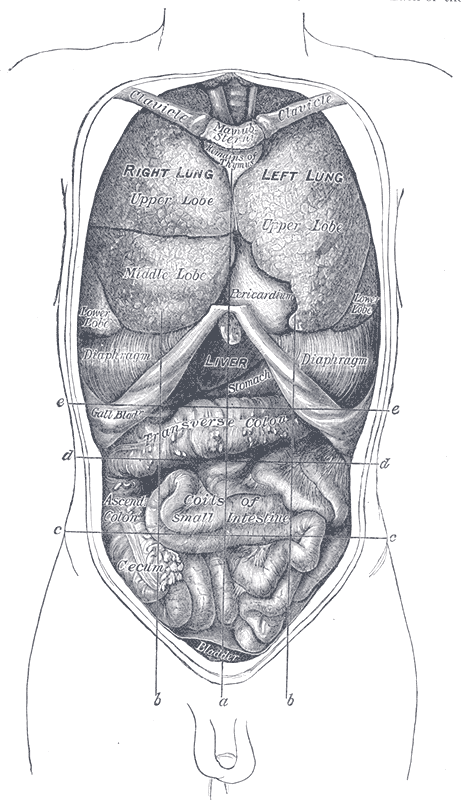
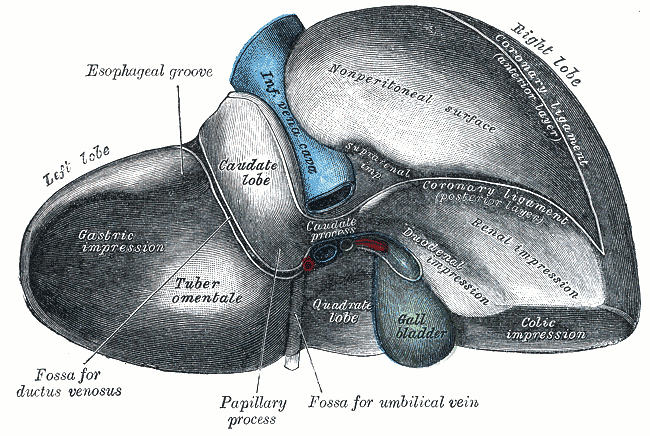
  4. Visceral surface of the liver, showing the lobes, gallbladder and porta hepatis.

    Digestive system7 min read

    The Liver: Anatomy, Physiology, Biology, and Histology

    The liver explained in depth: lobes and segments, dual blood supply, metabolic and detoxification physiology, hepatocyte biology, the classic lobule and acinus, and the pathology of cirrhosis.

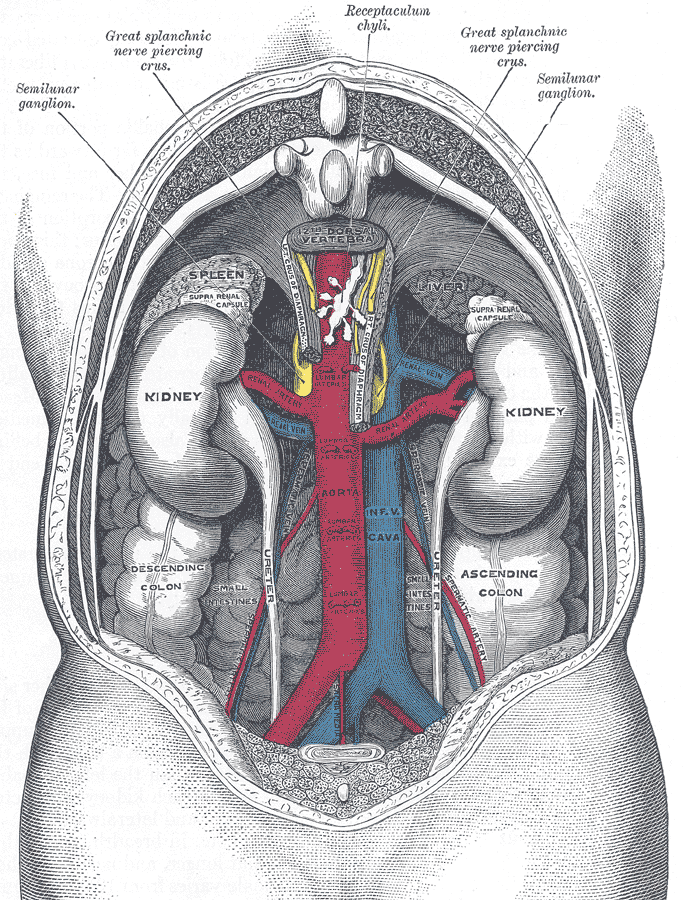
  5. The kidneys and great vessels in situ on the posterior abdominal wall.

    Urinary system7 min read

    The Kidneys: Anatomy, Physiology, Biology, and Histology

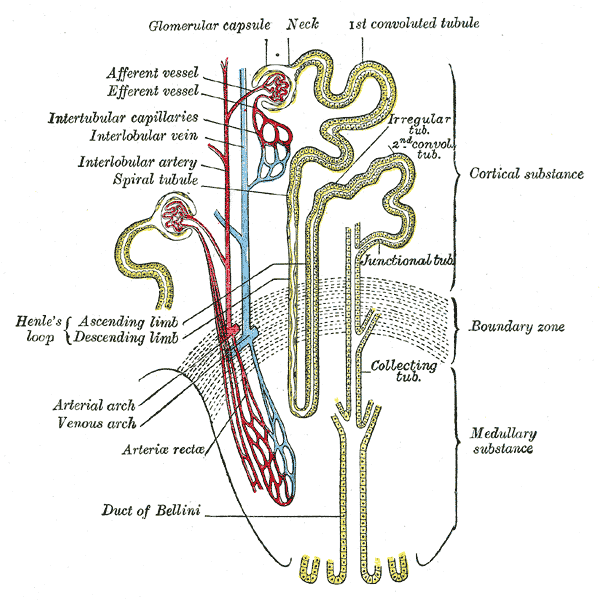
    Follow blood through the nephron: renal anatomy, glomerular filtration, tubular transport, the countercurrent multiplier, hormonal control of volume and pressure, and renal histology segment by segment.

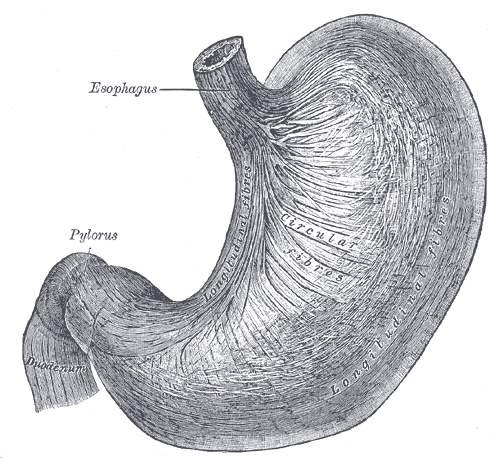
  6. The stomach seen from the front, from the cardia through the body to the pylorus.

    Digestive system7 min read

    The Stomach: Anatomy, Physiology, Biology, and Histology

    How the stomach works: regions and wall layers, acid secretion by parietal cells, the three phases of gastric secretion, gastric gland biology, and the mucosal barrier that stops the organ digesting itself.

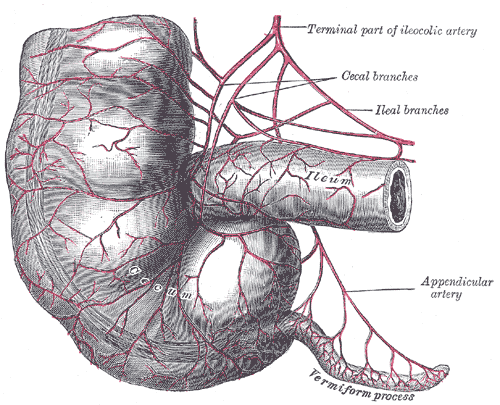
  7. The caecum, ileum and ascending colon with their arterial supply.

    Digestive system7 min read

    The Intestines: Anatomy, Physiology, Biology, and Histology

    The small and large intestine explained: regional anatomy, the surface amplification that makes absorption possible, motility patterns, enterocyte biology, the microbiome, and mucosal histology.

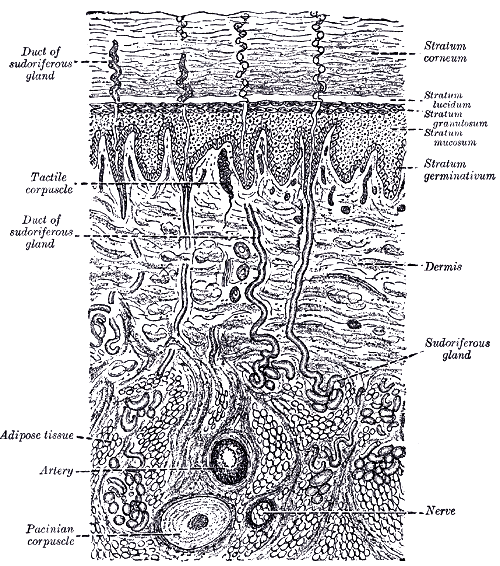
  8. Vertical section through the skin, showing epidermis, dermis and the appendages.

    Integumentary system7 min read

    The Skin: Anatomy, Physiology, Biology, and Histology

    The skin as a working organ: epidermal layers and keratinocyte maturation, dermal connective tissue and appendages, barrier function, thermoregulation, sensation, wound healing, and skin histology.

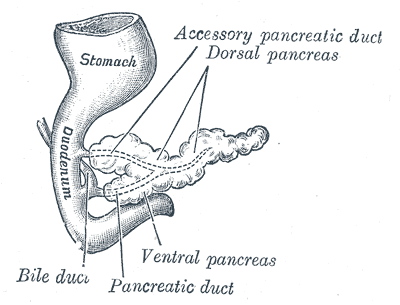
  9. The pancreas and duodenum, showing the main and accessory pancreatic ducts.

    Digestive and endocrine systems7 min read

    The Pancreas: Anatomy, Physiology, Biology, and Histology

    One organ, two systems: pancreatic anatomy and ducts, enzyme and bicarbonate secretion, insulin and glucagon control of blood glucose, acinar and islet cell biology, and pancreatic histology.

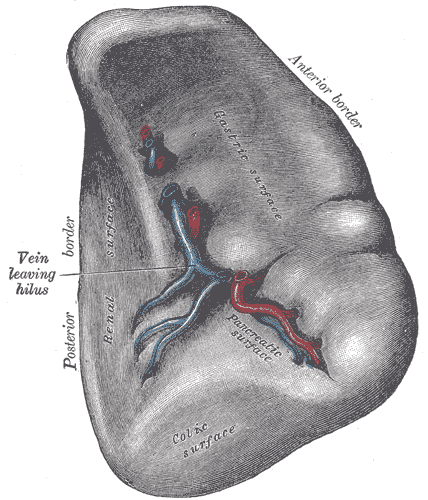
  10. The spleen, visceral surface, showing the hilum and splenic vessels.

    Lymphatic and immune systems7 min read

    The Spleen: Anatomy, Physiology, Biology, and Histology

    The spleen as a blood filter: position and relations, open and closed circulation, red pulp quality control of erythrocytes, white pulp immune surveillance, splenic histology, and the risks of splenectomy.

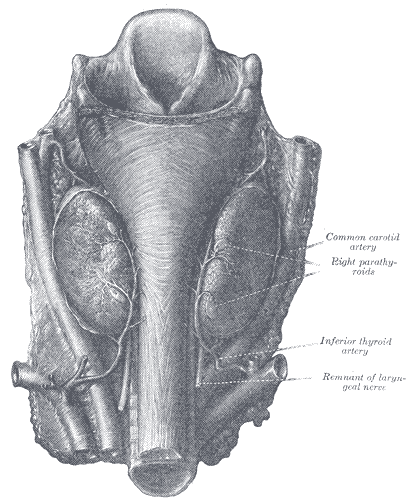
  11. The thyroid gland seen from behind, with the parathyroid glands and inferior thyroid artery.

    Endocrine system7 min read

    The Thyroid: Anatomy, Physiology, Biology, and Histology

    How the thyroid sets metabolic pace: neck anatomy and surgical relations, iodine trapping and hormone synthesis, the hypothalamic-pituitary-thyroid axis, follicular cell biology, and thyroid histology.

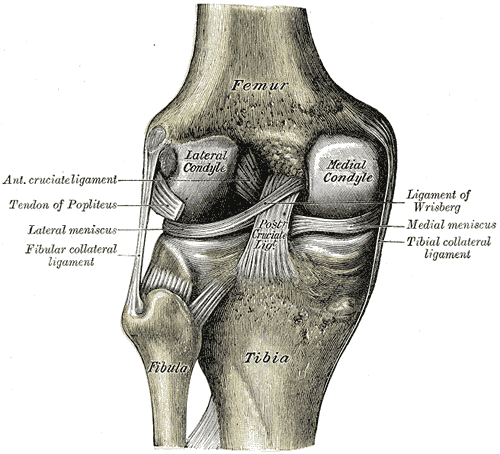
  12. The knee joint opened from the front, showing the femoral condyles and cruciate ligaments.

    Skeletal system8 min read

    Bone: Anatomy, Physiology, Biology, and Histology

    Bone as living tissue: gross structure and classification, the mineral and collagen composite, calcium homeostasis, osteoblast and osteoclast biology, osteon histology, remodelling, and fracture repair.