The average ambulance response to a life-threatening call is measured in single-digit minutes, and those minutes belong entirely to whoever is already there. Almost nobody in that position feels qualified, and almost nobody needs to be: the actions that change outcomes are few, simple and physical, and none of them require a diagnosis. The goal in the first ten minutes is not to treat the illness. It is to keep the airway open, keep blood inside the body, keep oxygen moving to the brain, and make sure the crew can reach the patient the moment they arrive.
The first sixty seconds
Call first. If someone else is present, point at one specific person and give them the job out loud — vague instructions to a group reliably produce nothing. Give the address and the location within the building before you give the story, because the address is what dispatches the vehicle. Then answer the call handler's questions rather than narrating; the questions are a protocol designed to identify life threats in a fixed order, and they are also how the handler decides what to talk you through. Put the phone on speaker and set it down so both of your hands are free, and do not hang up unless you are told to.
Make the scene safe before you touch anyone. Traffic, fire, smoke, electricity, gas, water and unstable structures kill rescuers regularly, and a second casualty helps nobody. Switch off power at the socket before touching someone who has been electrocuted. Do not enter water, smoke or a confined space to reach a person unless you are trained and equipped for it. If there is any risk of infection, use gloves if they are within reach, but do not delay chest compressions to find them.
Then prepare the arrival, because it costs nothing and saves real time. Unlock the front door and any gates, switch on outside and hallway lights, put pets in another room, and if you can spare a person, send them outside to flag the ambulance down. Move furniture to clear a path wide enough for a stretcher. Gather the person's regular medicines in their boxes, any allergy information, and a note of their medical conditions. For a suspected stroke, write down the time the person was last seen completely well — that single number decides which treatments remain available to them.
If they are unresponsive
Check two things. Kneel beside the person, shout their name and gently shake their shoulders: if there is no response, they are unresponsive. Then open the airway by tilting the head back with one hand on the forehead and two fingers lifting the chin, and spend up to ten seconds looking at the chest for movement, listening at the mouth and feeling for breath on your cheek. This is the moment where everything is decided, and the single most common error in the world is calling agonal gasping — slow, noisy, irregular, snoring or fish-like breaths — normal breathing. It is not. If breathing is absent or only occasional gasps, treat it as cardiac arrest.
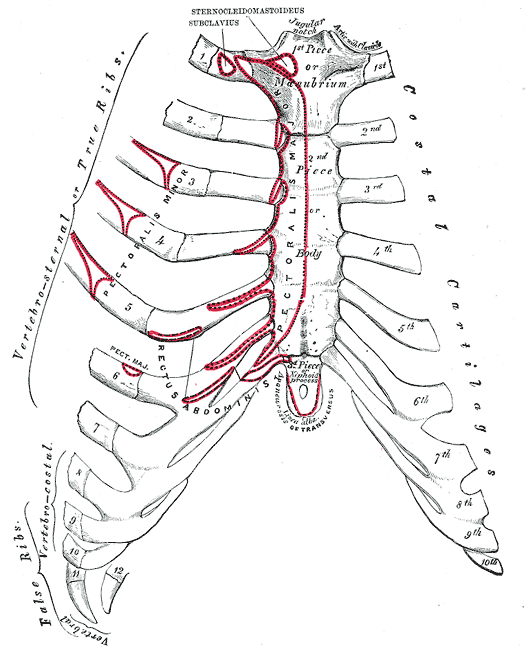
For cardiac arrest, start chest compressions immediately and tell the call handler what you are doing. Place the heel of one hand in the centre of the chest, on the lower half of the breastbone, put your other hand on top and interlock your fingers. Keep your arms straight and your shoulders directly above your hands so the force comes from your body, not your elbows. Press straight down 5 to 6 centimetres and let the chest come all the way back up each time, at a rate of 100 to 120 compressions a minute. It should feel harder and faster than you expect. Do not stop to reassess, and swap with another person every two minutes if you can, because quality falls off quickly with fatigue.
Send your second person for the nearest public access defibrillator while you keep compressing — many are registered with the ambulance service, so the call handler can tell you where one is and give you the code to open the cabinet. Turn it on the instant it arrives and do exactly what the voice says. Bare the chest, dry it if wet, apply the pads as pictured, stand clear when told, and resume compressions immediately after any shock. If the person is unresponsive but breathing normally, do not start compressions: put them in the recovery position instead and keep watching the breathing until the crew arrives, because it can stop.
Why the recovery position works
The recovery position exists to solve one anatomical problem. In an unconscious person lying on their back, the muscles of the tongue and pharynx lose their tone, and the tongue — anchored to the mandible at the front but otherwise a mobile muscular body — falls backwards against the posterior pharyngeal wall and occludes the airway. At the same time the protective reflexes that normally close the larynx during swallowing are abolished, so anything regurgitated from the stomach passes freely into the trachea. Aspirated gastric contents are acidic enough to cause chemical pneumonitis within minutes and are one of the classic avoidable causes of death in the unconscious. Rolling the person onto their side and tilting the head slightly back and down uses gravity to solve both problems at once: the tongue falls forward and away from the pharynx instead of into it, and fluid drains out of the mouth rather than down the trachea. To do it, kneel at their side, place the near arm out at a right angle, bring the far hand across to the near cheek, pull the far knee up and roll them towards you by that knee, then tilt the head back to open the airway. It takes about ten seconds and needs no strength.
Why these minutes change the tissue outcome
Everything described here is an attempt to slow a cellular clock. When circulation stops, neurons lose their ATP within seconds, the sodium-potassium pump fails, and calcium floods in and switches on the enzymes that digest the cell; irreversible injury begins at around four to six minutes and the first visible sign, the shrunken eosinophilic red neuron, appears on a slide six to twelve hours later. Cardiomyocytes hold out for twenty to thirty minutes, then die by coagulative necrosis and are replaced over the following weeks by collagen scar that cannot contract or conduct. Kidney tubule cells detach and block their own tubules, though they can regenerate if the patient survives. Chest compressions do not reverse any of this, and they are not meant to: by generating perhaps a fifth to a third of a normal cardiac output, they hold the tissue in the reversible phase for long enough that a defibrillator or a hospital can do something about it. That is the whole logic of bystander first aid — not to cure anything, but to keep the tissue alive and the situation recoverable until people with equipment arrive.
Bleeding, choking, seizures, burns and anaphylaxis
For severe bleeding, press hard directly on the wound with both hands, using any cloth to hand or your bare hands if there is nothing else, and do not lift off to look. Add more dressing on top rather than removing what is soaked. Raise the limb above the level of the heart if there is no obvious fracture, and lie the person down, since fainting on their feet causes a second injury. If a limb continues to bleed heavily despite firm pressure, apply a tourniquet high above the wound, tighten it until the bleeding stops, and write the time on the person's skin or on the tourniquet. Leave any embedded object exactly where it is and pack dressings around it, because it may be the only thing plugging a vessel.
For choking in an adult who cannot speak, cough or breathe, lean them forward and give up to five sharp blows between the shoulder blades with the heel of your hand, checking after each. If that fails, stand behind them and give up to five abdominal thrusts, placing a fist just above the navel and pulling sharply inwards and upwards. Alternate five and five and call for an ambulance if the obstruction does not clear; if they become unresponsive, lower them to the floor and start chest compressions. In infants under one, give five back blows and five chest thrusts instead, never abdominal thrusts. Anyone who has had abdominal thrusts should be assessed afterwards, because they can cause internal injury.
For a seizure, do not restrain the person and never put anything in their mouth. Note the time it starts, cushion the head, loosen anything tight around the neck and move hard objects out of reach. When the movements stop, roll them into the recovery position and stay with them while they come round, which can take a while and often involves a period of confusion. Call an ambulance if it lasts more than five minutes, if a second seizure follows without recovery, if it is their first, if they are injured, pregnant, diabetic, or in water, or if they do not regain consciousness. For burns, cool the area under cool running water for a full twenty minutes — not ice, not butter, not creams — remove jewellery and any clothing that is not stuck, then cover loosely with cling film laid lengthways or a clean non-fluffy cloth. For anaphylaxis, use the adrenaline auto-injector into the outer thigh at once, lay the person flat with the legs raised, never stand them up, and give a second dose after five minutes if there is no improvement.
Common questions about first aid before the ambulance arrives
What should I do while waiting for an ambulance?
Stay with the person and keep them still and calm. Make the scene safe, unlock the door, switch on the outside lights and clear a route for a stretcher. Gather their regular medicines, allergy details and medical history, and for a suspected stroke note the time they were last seen well. Give nothing to eat or drink. Keep the phone on speaker and follow the call handler's instructions. If they become unresponsive and are not breathing normally, start chest compressions immediately and send someone for the nearest defibrillator.
How do I put someone in the recovery position?
Use it for anyone who is unresponsive but breathing normally. Kneel beside them, place the arm nearest you out at a right angle with the palm up, bring their far hand across to rest against the near cheek, then pull the far knee up and roll them towards you by that knee. Adjust the upper leg so both hip and knee are bent at right angles, and tilt the head back slightly to keep the airway open. Keep watching their breathing, because it can stop, and be ready to roll them back and start compressions if it does.
Should I give someone food or drink while waiting for the ambulance?
No. If they need an anaesthetic, a full stomach increases the risk of aspiration, and if their swallowing is affected — as it often is after a stroke — anything given by mouth can go into the lungs. Wetting the lips with a damp cloth is enough for a dry mouth. The exception is a conscious person with diabetes who is able to swallow safely and is having a hypoglycaemic episode, who should be given fast-acting sugar; if you are unsure, ask the call handler.
What if I do CPR wrong, or on someone who does not need it?
Do it anyway. The chance of harming someone by starting compressions on a person who turns out not to be in cardiac arrest is very small, and they will usually respond and stop you. The chance of harming someone by not starting is close to certain. Rib fractures are common in effective CPR and are treatable; brain injury from delay is not. Compressions alone, without rescue breaths, are the recommended approach for anyone untrained, and many countries have Good Samaritan protections for people who help in good faith.
Selected references
- Olasveengen TM, Semeraro F, Ristagno G, et al. European Resuscitation Council Guidelines 2021: Basic Life Support. Resuscitation. 2021;161:98-114.
- Panchal AR, Bartos JA, Cabañas JG, et al. Part 3: Adult Basic and Advanced Life Support: 2020 American Heart Association Guidelines for CPR and Emergency Cardiovascular Care. Circulation. 2020;142(16_suppl_2):S366-S468.
- Singletary EM, Zideman DA, Bendall JC, et al. 2020 International Consensus on First Aid Science With Treatment Recommendations. Circulation. 2020;142(16_suppl_1):S284-S334.
- Zideman DA, Singletary EM, Borra V, et al. European Resuscitation Council Guidelines 2021: First aid. Resuscitation. 2021;161:270-290.
- Cardona V, Ansotegui IJ, Ebisawa M, et al. World Allergy Organization Anaphylaxis Guidance 2020. World Allergy Organization Journal. 2020;13(10):100472.
- Hall JE, Hall ME. Guyton and Hall Textbook of Medical Physiology. 14th ed. Elsevier; 2021.
Medical disclaimer. This article is written for education and general understanding. It is not medical advice and cannot replace assessment by a qualified healthcare professional. If you have symptoms or health concerns, speak with a clinician. Read the full disclaimer.