10 studies
Zoom out. See the whole system.
An organ on its own explains very little. The heart makes sense only as the pump in a circuit, the kidney only as one end of a loop that starts with blood pressure. These ten guides take each system whole: what it is made of, how the parts coordinate, what controls it, and what happens when the coordination fails. Each one links down to the organ guides for the detail.
Start here
New to this section? These three are the ones to read first, in this order.
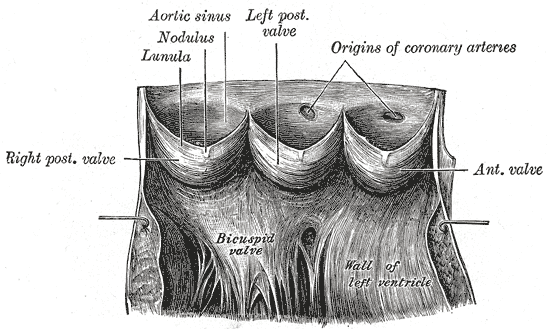
- 01CardiovascularOne pump, two circuits, and 100,000 kilometres of tubing. How the cardiovascular system moves five litres of blood a minute, what sets blood pressure, and why the whole design is built around a single number.
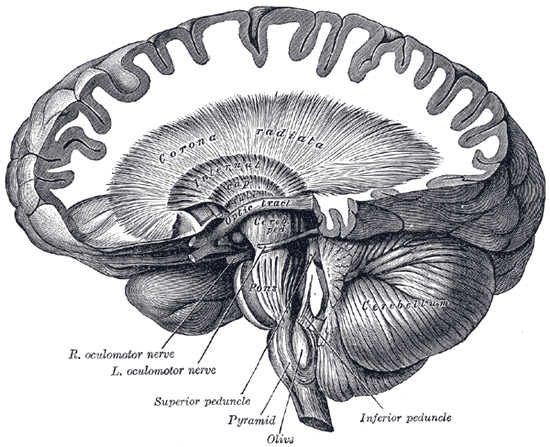
- 02NervousEighty-six billion neurons organised into a system that senses, decides and acts in milliseconds. How the central, peripheral and autonomic divisions fit together, and what each one actually controls.
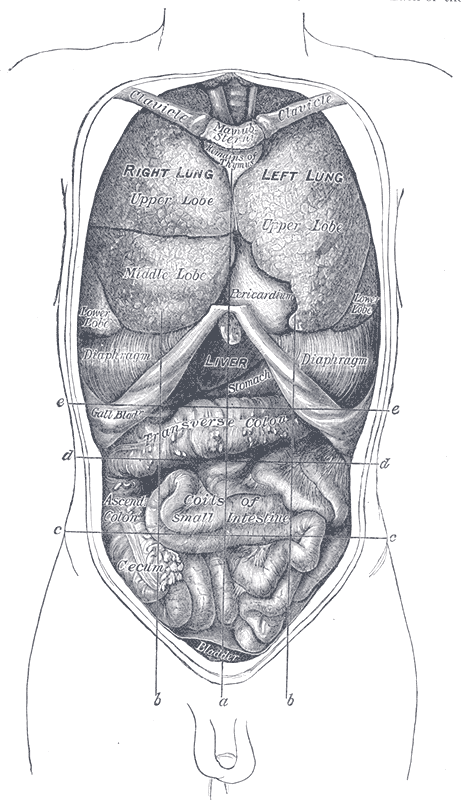
- 03DigestiveA nine-metre tube, four accessory organs, and a surface area the size of a studio flat. What happens to food at each station, which organ contributes what, and why most absorption is finished before the colon.
Every study in this section
Ten systems, each a set of organs solving one problem together — and the map of which organ belongs where.