10 studies
Start at the tissue. The organ follows.
Organs are built from four basic tissues, and almost every question about an organ resolves into a question about one of them. These guides cover the tissues themselves — epithelium, connective tissue, muscle and nervous tissue — along with blood, cartilage, joints, blood vessels, the nephron and the immune system. Read these and the organ guides get easier.
Start here
New to this section? These three are the ones to read first, in this order.
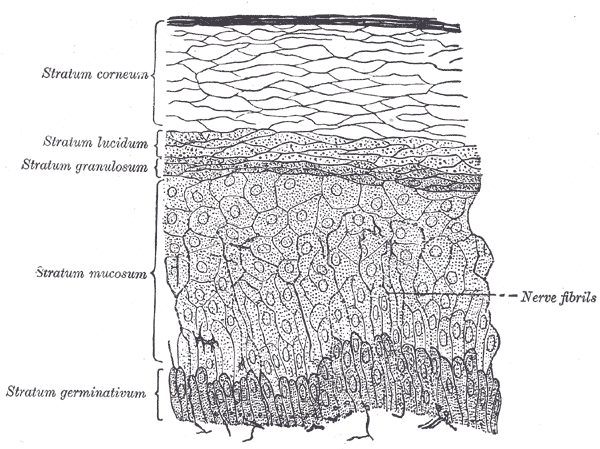
- 01EpitheliumEvery epithelium is named by two things: how many layers it has and what shape its surface cells are. A guide to simple, stratified, pseudostratified and transitional epithelium, what each one does, and how to tell them apart on a slide.
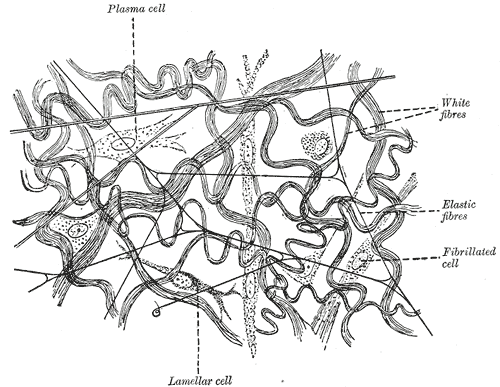
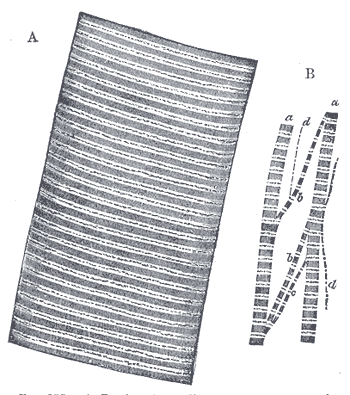
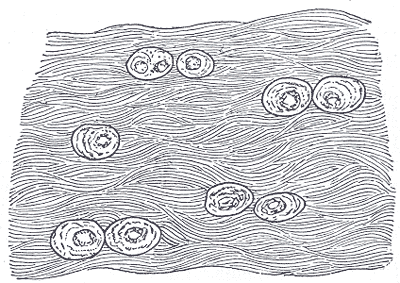
- 02Connective tissueConnective tissue is defined by what lies between its cells, not by the cells themselves. A guide to loose and dense connective tissue proper, the specialised forms — cartilage, bone, blood — and the matrix that gives each one its properties.
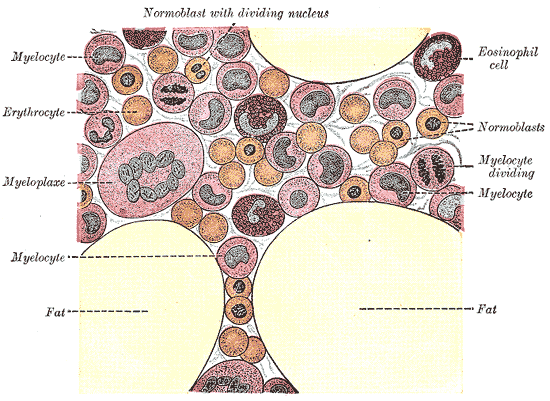
- 03BloodBlood is a connective tissue with a liquid matrix. What each of its four components does, where they are made, and what a full blood count is actually measuring.
Every study in this section
The layer underneath the organs: the four basic tissues, the cells they are built from, and how to tell them apart on a slide.